

Dental Office Print Essentials: From Appointment Cards to Envelopes

Introduction
A patient's relationship with your practice rarely starts in the operatory. It starts with a card handed across the front desk, a postcard that shows up six months later, or a folder full of paperwork on day one. Getting these dental office print essentials right does more than keep your schedule organized. It shapes how patients feel about your practice before, during, and after every visit.
This guide walks through the print materials every dental office should have on hand, from appointment cards to envelopes, and the design and compliance details that make each one work harder for a clinical setting. Along the way, we'll share what we've noticed while producing print materials for dental and other healthcare clients, so you can build a kit that fits how your practice actually runs.
Why Print Still Anchors the Patient Experience
Digital reminders are useful, but they aren't a replacement for physical touchpoints. A text can get lost in a crowded inbox of notifications; a card tucked into a wallet or stuck to a fridge sticks around. Dental practice management resources consistently recommend handing over a physical appointment card at every visit, even when a patient is also getting automated reminders. The idea is simple: a card in a wallet or purse doesn't depend on a phone battery, a missed notification, or someone remembering to write the date down correctly.
The American Dental Association takes a similar view of the entire first-visit experience. How a new patient's very first appointment goes, right down to what they're handed on the way out, tends to set the tone for how they feel about the practice going forward. A well-stocked welcome folder is part of making that first impression land. In our production runs for dental clients, we've seen this play out directly in what practices reorder most: appointment cards, postcards, and presentation folders are consistently the first three items new practices ask us to set up, before signage or anything else.
Patient Communication Essentials: Appointment Cards, Postcards, and Envelopes
These are the pieces patients handle directly, which means they carry the most weight for both scheduling logistics and privacy.
Appointment Cards Patients Actually Keep
A good appointment card is small, sturdy, and legible at a glance: date, time, provider name, and a phone number, printed on a card stock that survives a few weeks in a wallet or purse. Because they're handed over in person at checkout, appointment cards double as a mini brand touchpoint. A clean logo, consistent colors, and a card that doesn't feel flimsy all reinforce that this is a well-run practice. We typically recommend matte or soft-touch finishes for appointment cards over high-gloss stock, since gloss tends to show fingerprints and scuff marks quickly with repeated handling.
Recall and Reminder Postcards
Postcards do the heavy lifting for six-month recall and hygiene reminders. Because they're mailed in batches ahead of a block of appointments, they're one of the most efficient ways to keep a hygiene schedule full without individually calling every patient. The tradeoff is that postcards are visible in transit, which brings us to the most overlooked part of dental print: what you're allowed to put on one.
HIPAA-Conscious Envelopes for Patient Mailings
This is where a lot of practices get nervous, and unnecessarily so. Under HIPAA, reminding a patient about an upcoming appointment is treated as a normal part of patient care, so a separate signed authorization isn't required just to send one. That protection extends to mailed reminders, not only calls or texts, as long as the practice sticks to a "minimum necessary" mindset: include enough to confirm the appointment, and nothing that reveals more about the patient's care than that.
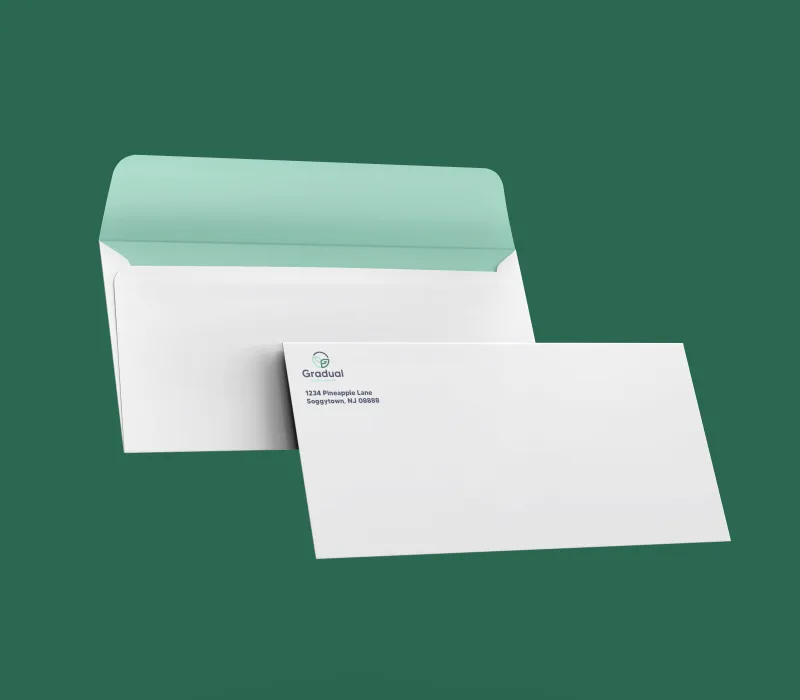
The practical rule of thumb we give clients: postcards are fine for generic reminders, but the moment a mailing could hint at a specific treatment, diagnosis, or a specialty that reveals something about a patient's condition, it belongs in a sealed envelope instead. This habit matters more than people expect, and it's easier to build into a branded window envelope or a branded 9x12 catalog envelope from the start than to retrofit later. It also gives you a more private option for sending welcome packets, insurance forms, and treatment plan paperwork that shouldn't be visible to anyone but the intended patient.
Waiting Room and In-Office Print Materials
Once a patient is in your office, print does a different job: educating, reassuring, and filling the wait.
Posters for Patient Education and Wayfinding
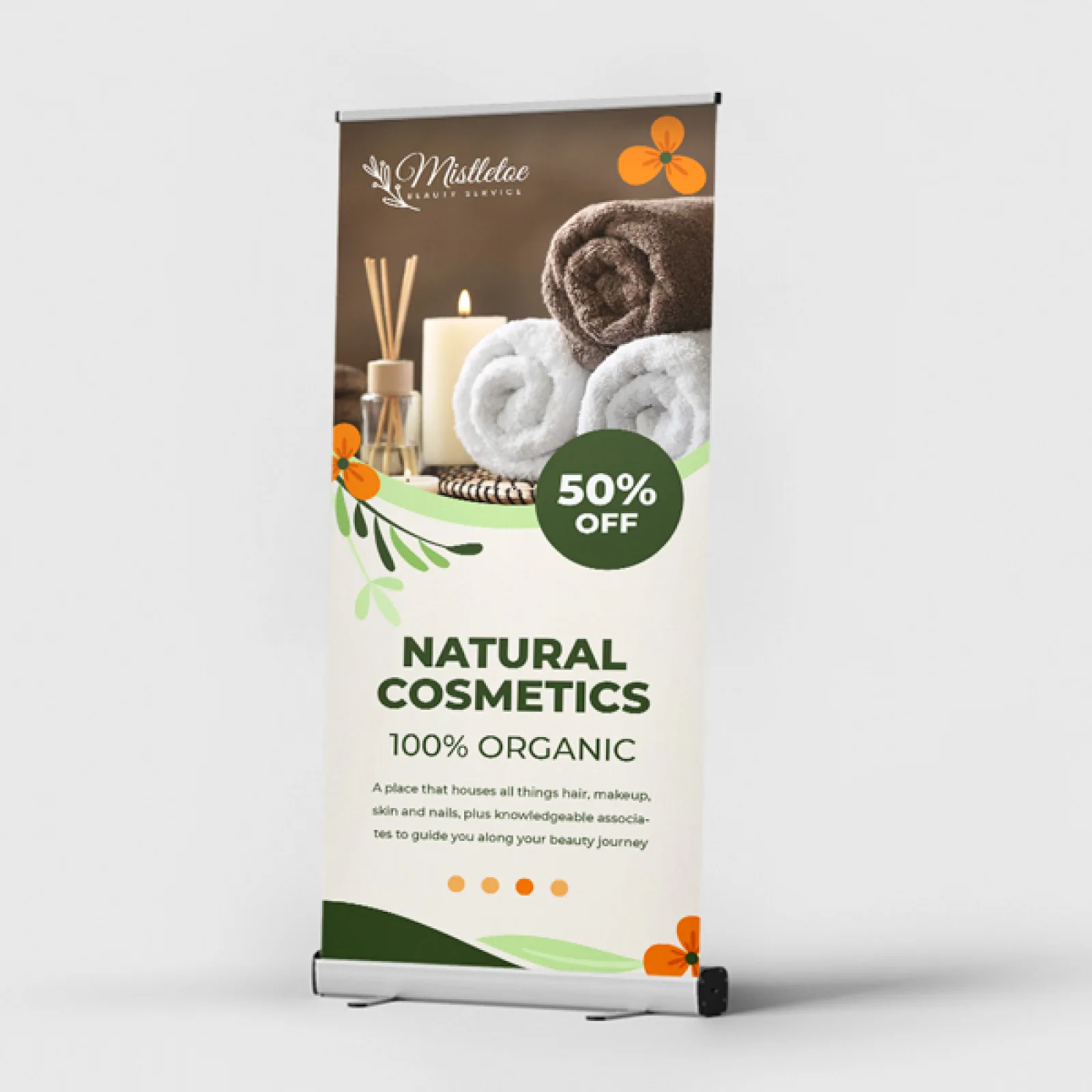
Posters are one of the simplest ways to fill dead time productively, whether that's a wall chart explaining a procedure, a reminder about brushing and flossing for pediatric patients, or clear signage on payment and cancellation policies. Public health agencies like the CDC maintain a library of free, print-ready oral health materials for exactly this reason: printed, visual education in a waiting room tends to get noticed in a way a pamphlet sitting untouched on a side table doesn't. A large-format poster near check-in or in an operatory hallway is a simple way to put that same idea to work in your own office.
Brochures, Booklets, and Catalogs for Treatment Explanations
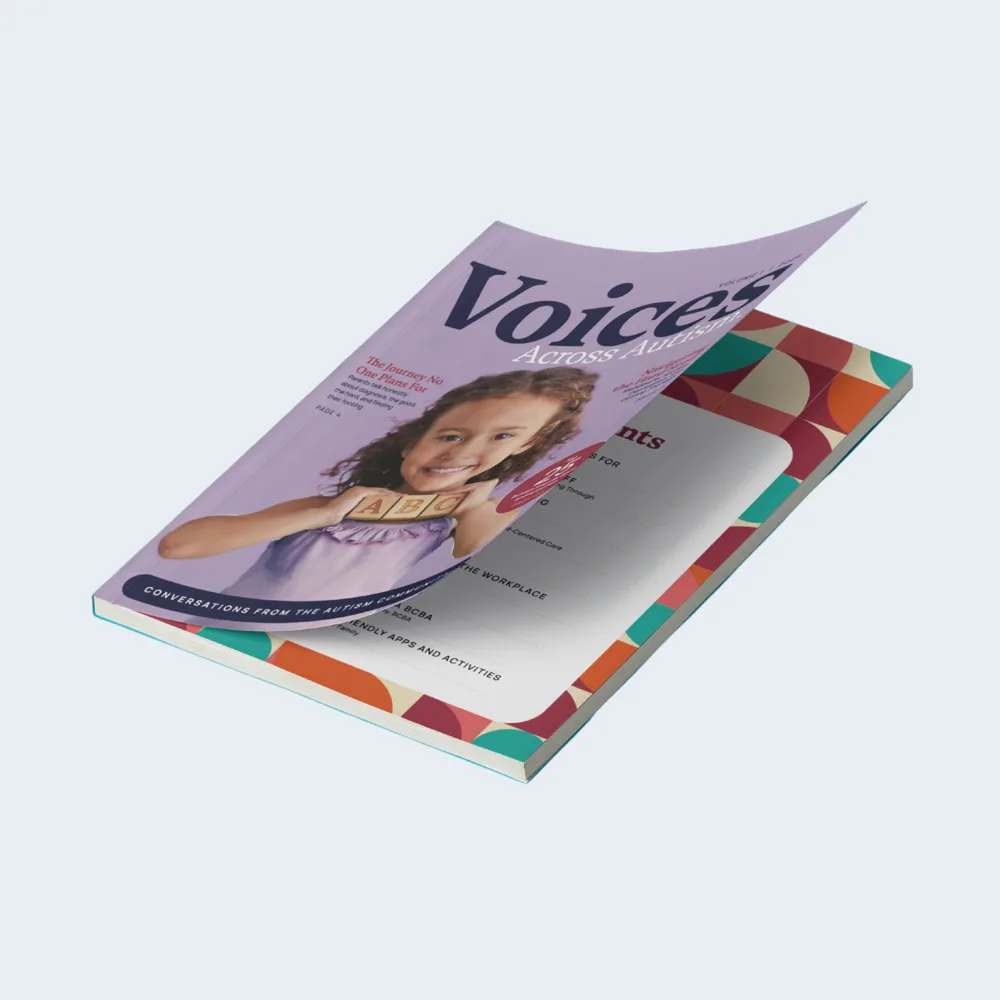
Tri-fold brochures are still the workhorse for explaining a specific service—whitening, Invisalign, implants—in plain language a nervous patient can actually absorb before a consultation. For practices with a longer service menu, a booklet or catalog format works better than a brochure because it can walk through multiple treatment categories without cramming everything onto a few panels. This is especially useful for multi-location dental groups that want one consistent, professionally printed catalog to represent every service line across every office, rather than a different flyer at each location.
Presentation Folders for New Patient Welcome Kits
A presentation folder is what turns a stack of loose paperwork into an actual welcome kit. Intake forms, insurance information, a welcome letter, and a couple of educational brochures all fit neatly into one pocketed folder a patient can take home and reference later. It's a small production step that makes a new patient feel like the practice was expecting them, not just processing them.
Local Marketing Print Essentials to Grow Your Patient Base
Outside the four walls of the office, print still earns its keep for bringing new patients in the door.
Rack Cards and Sell Sheets for Referral Networks
Rack cards are compact enough to sit in a display at a pediatrician's office, an orthodontist's waiting room, or a community health fair, making them a natural fit for building referral relationships with nearby practices. Sell sheets serve a slightly different purpose: a single, information-dense page that summarizes services, accepted insurance, and financing options, useful for referral coordinators, insurance liaisons, or corporate wellness partners who need the facts fast.
Door Hangers and Flyers for Neighborhood Outreach
Door hangers are one of the most cost-effective ways to announce a new practice opening, a new provider joining the team, or a limited-time new patient special to the streets immediately around your office. They pair naturally with the USPS Every Door Direct Mail program, which lets a practice blanket every address on a chosen route without needing to buy or build a mailing list first. Flyers cover the same ground for events, open houses, or seasonal promotions like back-to-school checkups.
Stickers for Pediatric Patients and Brand Recall
For pediatric dental patients especially, stickers are a small detail that does a lot of work. A branded sticker handed out after a cleaning turns a nervous appointment into a small win, and it puts your practice's name on a backpack, water bottle, or fridge where a parent will see it again. It's a low-cost way to reinforce a positive association with your office long after the appointment ends.
Choosing the Right Paper, Finish, and Turnaround for a Clinical Setting
Paper Stock and Finish That Match a Healthcare Environment
Healthcare print materials read differently than a restaurant flyer or a retail promotion. We generally steer dental clients toward clean layouts, softer color palettes, and matte or soft-touch finishes rather than high-gloss stock, especially for anything handled repeatedly, like appointment cards and folders. It reads as more clinical and trustworthy, and it holds up better to the wear of daily handling at a front desk.
Turnaround Times That Keep Up with Patient Care
Dental practices don't run on a marketing calendar; they run on a patient calendar. A new provider joining the practice, a sudden run on appointment cards, or a last-minute location update shouldn't mean weeks of downtime waiting on print. When you're evaluating a print partner for ongoing dental office print materials, ask about realistic turnaround windows for reorders specifically, not just first-time orders, since that's usually where practices get caught off guard.
Building Your Dental Practice Print Kit: Where to Start
If you're starting from scratch, you don't need every product on this list on day one. A practical starting point looks like this:
New practice: business cards, appointment cards, a presentation folder, and a basic brochure covering your core services.
Established practice: add recall postcards, branded envelopes for sensitive mailings, in-office posters, and a booklet or catalog if your service list has grown.
Growth phase: layer in rack cards for referral partners, door hangers or flyers for local outreach, and stickers for pediatric patients.
Brochure King's dental industry product sets, including a New Practice Basic Starter Kit and an Office Essentials Kit, are built around this exact progression, so you're not guessing at what to order first.
Getting your dental office print essentials in order isn't about printing everything at once. It's about matching the right piece—an appointment card, a postcard, a sealed envelope, a welcome folder—to the moment a patient is actually in. Done well, print becomes a quiet, consistent part of how patients experience your practice, from the first appointment card they're handed to the last envelope that lands in their mailbox.
Get Your Dental Practice Print Kit from Brochure King
Brochure King ships nationwide, with a strong and growing base of dental and healthcare clients across the Northeast, the Sun Belt, and the West Coast. Whether you're opening a new location or restocking front-desk essentials, our team can help you put together a complete, HIPAA-aware print kit built for how a dental office actually runs.
Let's get your practice's print materials sorted. Reach out via our contact page or request a quote, and we'll help you get every piece printed and matching.
Frequently Asked Questions
Is it HIPAA-compliant to send dental appointment reminders by postcard?
Yes, in most cases. Sending an appointment reminder is treated as a normal part of patient care under HIPAA, so practices don't need a patient's separate sign-off just to mail one. The catch is what's printed on the outside of a postcard: keep it to scheduling basics like a name, date, and time, and switch to a sealed envelope for anything that could hint at the reason for the visit, such as a specialty practice name or treatment detail.
What print materials does a new dental practice need first?
Most new practices start with business cards, appointment cards, a presentation folder for new patient paperwork, and a basic brochure describing core services. From there, recall postcards, branded envelopes, and in-office posters are usually the next additions as the patient base grows.
Do appointment cards actually reduce no-shows?
They help, especially alongside digital reminders rather than instead of them. Dental practice management guidance points to appointment cards as a reliable backup precisely because they don't depend on a phone: a card in hand survives a dead battery or a missed text in a way a digital-only reminder can't, which is part of why many practices still hand one out even when they also send automated reminders.
